Dancing Happy Bird: A Boutique Embroidery Review
As an embroidery designer who has spent years curating collections for boutique apparel, I approach every new machine embroidery design with a critical eye. My goal is always to find pieces that elevate a simple garment into a sought-after handmade product. Recently, I explored the Dancing Happy Bird design from Creative Fabrica, intrigued by its potential for adding a whimsical touch to my upcoming sweatshirt and hoodie line. This review breaks down how this specific Birds category design performs in a real-world commercial setting, focusing on its application for custom apparel and small shop products.
First Impressions: Visual Personality and Stitching Mood
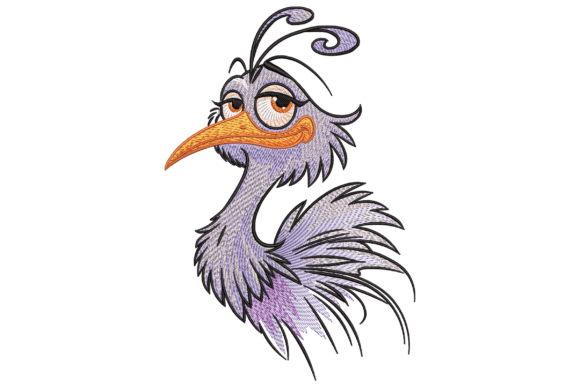
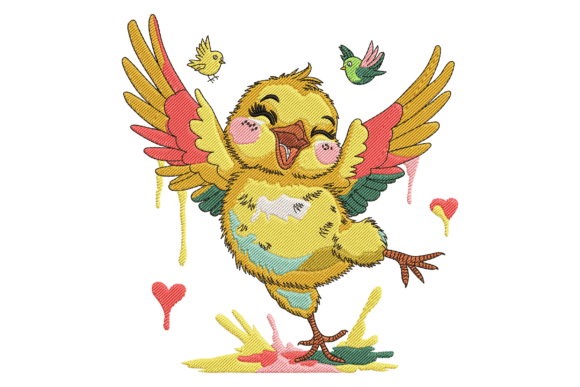
Upon opening the digital embroidery file, the first thing that strikes you is the playful energy of the Dancing Happy Bird. It does not feel like a generic clip-art conversion; rather, it possesses a distinct character that suggests movement and joy. For a boutique brand aiming to capture a youthful or lifestyle-focused demographic, this design offers a perfect balance between cute and bold. The visual personality is inherently cheerful, making it an excellent candidate for spring and summer collections, yet its quirky flair allows it to stand out even against cozy winter fabrics.
The stitching mood appears to be decorative yet manageable. Unlike some overly complex designs that risk thread breakage on heavy machinery, this machine embroidery design seems to prioritize flow. The lines suggest a moderate stitch density, which is crucial when working with stretchy fabrics like fleece or jersey. If you are looking for a design that feels premium without requiring excessive underlay or tension adjustments, this piece fits the bill. It carries a trendy, slightly rustic charm that aligns well with the current aesthetic of handmade goods found on Etsy and independent online shops.
Applying the Design to Sweatshirts and Hoodies
When planning a small sweatshirt collection, placement is everything. The Dancing Happy Bird is versatile enough to work in several key areas. For a classic look, placing the design on the left chest of a neutral-colored hoodie creates a subtle brand signature. However, given the dynamic nature of the bird, I envision it performing exceptionally well as a larger back design on oversized garments. This transforms a basic sweatshirt into a statement piece, perfect for lifestyle product photos where the full silhouette is visible.
Consider using this design for sleeve accents on denim jackets or heavy cotton hoodies. The curvature of the sleeve can complement the dancing posture of the bird, creating a cohesive visual narrative. For those targeting the pastel market, imagine this embroidery file rendered in soft pinks, mint greens, or sky blues on a cream or heather grey sweatshirt. The contrast will pop, drawing immediate attention to the craftsmanship. Conversely, on dark apparel, such as charcoal or navy hoodies, using bright yellow or white thread colors would make the Dancing Happy Bird a focal point, ensuring high visibility and professional presentation.
Expanding Beyond Tops: Totes, Tees, and Seasonal Wear
While sweatshirts are a primary focus for many commercial embroidery businesses, the utility of this design extends further. Tote bags are a staple for the eco-conscious consumer, and the Dancing Happy Bird adds a fun and quirky flair to these everyday items. The flat surface of a tote bag allows for precise hoop placement, ensuring the stitch density remains consistent without distortion. Similarly, t-shirt embroidery benefits from the design's scalability. Whether used for a limited-run drop or as part of a broader boutique merchandise line, the design maintains its integrity.
For seasonal outfits, consider pairing this design with cozy knitwear or flannel shirts. The "happy" theme resonates well with holiday gifts or back-to-school gear. When creating printable mockups for your online store, the vibrant nature of the bird helps the finished product stand out in a crowded marketplace. As an Etsy seller, having a unique element like this can significantly boost customer engagement and differentiate your small shop product from mass-market alternatives.
Navigating Fabric Challenges and Placement Risks
Despite its appeal, there are specific scenarios where the Dancing Happy Bird requires careful handling. Small chest placements on ribbed fabric can be tricky if the stitch count is too high for the tight weave. Always test on scrap fabric first to ensure the stabilizer choice supports the weight of the threads without puckering. Dense stitch areas might cause issues on very thin or highly elastic materials, so reviewing the hoop size requirements before production is essential.
Dark garments present their own challenges regarding thread color contrast. If the design relies on fine details, a lack of contrast could obscure the happy expression of the bird. Additionally, curved surfaces like the shoulders of a hoodie require precise hooping to prevent shifting during the run. Tiny lettering, if included in the final composition alongside the bird, should be avoided on stretchy fabric to prevent distortion. Areas prone to wrinkling, such as the lower hem of a sweatshirt, are generally poor candidates for detailed embroidery unless the design is specifically adapted for flexibility.
Impact on Brand Identity and Commercial Value
Incorporating a well-chosen design like Dancing Happy Bird can significantly affect apparel value and buyer trust. A high-quality machine embroidery design signals professionalism and care, reinforcing the identity of a boutique brand. When customers see a finished product with clean stitches and thoughtful placement, their perception of the handmade product increases. This visual consistency across your collection—whether on hoodies, tees, or totes—builds product recognition and strengthens your brand voice.
For creative entrepreneurs, the ability to offer unique, custom apparel is a key differentiator. Using a design that feels fresh and engaging helps drive sales and encourages repeat business. The Dancing Happy Bird serves as more than just decoration; it becomes a symbol of the joy and creativity your brand represents. By selecting designs that resonate emotionally with your target audience, you foster a deeper connection with your customers.
Practical Designer Notes for Production
Before committing to a full production run, I recommend following these practical steps. First, always test the design on a scrap piece of the exact fabric you intend to use. Check your stabilizer choice carefully; cut-away stabilizers often work best for stretchy knits, while tear-away may suffice for wovens. Review thread color contrast to ensure the design pops against the background fabric. Confirm the hoop size required for the Dancing Happy Bird to avoid clipping parts of the design.
Inspect the stitch density in your software before loading the file. If the density seems too high for your specific garment fabric, consider adjusting the settings or reducing the scale slightly. Compare placement options on a mannequin or a similar garment to visualize the final result. Finally, check the Creative Fabrica product details and licensing terms thoroughly. Ensure you have the appropriate rights to sell finished apparel commercially. While the description mentions it is suitable for t-shirts and home decor, verifying the specific license for commercial embroidery products protects your business and ensures compliance.
By taking these precautions and leveraging the charming update this delightful embroidery design offers, you can create a collection that is both visually stunning and commercially viable. The Dancing Happy Bird is a strong contender for any designer looking to add a touch of whimsy and quality to their next apparel project.