Sassy Bird: A Designer's Practical Review
As a designer who has spent years curating assets for both personal projects and commercial craft businesses, I approach every new machine embroidery design with a critical eye. The market is flooded with generic patterns, so finding a piece that truly adds value to a handmade product requires looking beyond the preview image. Today, I am evaluating Sassy Bird, a design marketed as a way to enhance fabrics with charm. My goal here is not just to describe the file, but to determine if it holds up under the scrutiny of real-world stitching, client expectations, and small business viability.
First Impressions: Personality and Layout
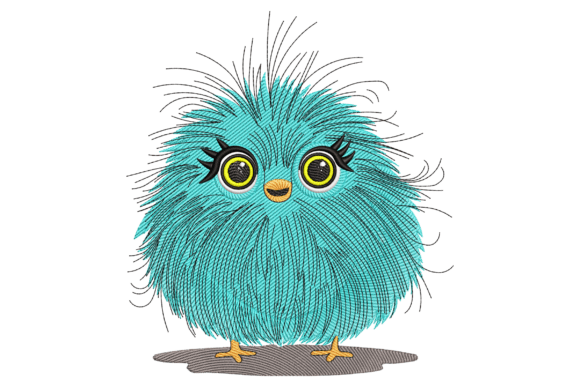
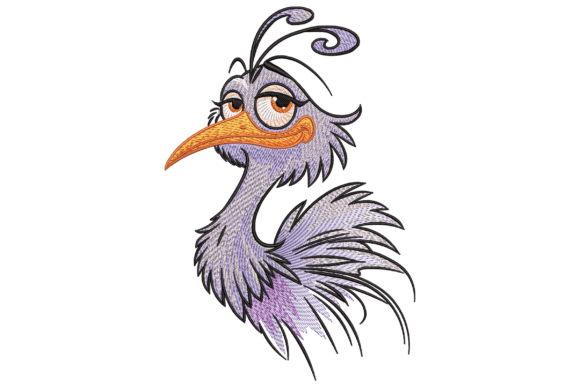
When I first opened the digital file for Sassy Bird, the immediate takeaway was its distinct personality. Unlike many bird designs that lean heavily into realism or traditional folk art, this one leans into the whimsical. The layout suggests a playful character rather than a static illustration. For an Etsy seller or boutique owner, this kind of visual energy is crucial. It stops the scroll. The shape is compact yet expressive, which is often a difficult balance to strike in embroidery. Too much detail can get lost in the stitch count, while too little looks amateurish. Sassy Bird seems to hit a sweet spot where the lines are bold enough to be readable from a distance but detailed enough to reward close inspection.
The mood it creates is lighthearted and fun. This makes me immediately think of specific applications. I am not seeing this on a formal wedding guest book or a corporate uniform. Instead, my mind jumps to custom apparel, specifically sweatshirts and tote bags where a touch of humor or quirkiness is welcome. The design feels like it belongs on a kitchen towel in a bright, modern home or as a patch on a denim jacket for a younger demographic. The visual weight is distributed well, suggesting that it will stitch out evenly without pulling the fabric excessively.
Real-World Application: From File to Finished Product
To truly understand the utility of Sassy Bird, I need to visualize it in a finished project. Let’s imagine I am preparing a batch of custom embroidered tote bags for a local craft fair. These bags are made of sturdy canvas, a fabric that handles embroidery well but demands a design that doesn't get muddied by the weave. Placing Sassy Bird on the lower corner of the bag would provide a perfect accent. The playful nature of the bird complements the casual utility of a tote, turning a simple accessory into a statement piece.
Consider another scenario: a personalized gift for a new parent. Baby embroidery requires softness and clarity. If the design includes sharp, jagged edges, it might feel too harsh against delicate cotton onesies. However, if Sassy Bird utilizes smooth curves and rounded forms, it transitions beautifully into baby clothing. The "whimsical touch" mentioned in the description aligns perfectly with nursery decor. Imagine this design stitched onto a pillow cover or a receiving blanket. Parents love unique, non-cliché motifs, and a sassy bird offers exactly that—a departure from the standard stars and moons.
For the small shop owner creating holiday merchandise, this design could serve as a delightful accent on a tea towel or an apron. Holiday embroidery often suffers from being overly busy or cluttered. A single, strong focal point like Sassy Bird allows the product to breathe. It elevates the perceived value of the item, making it look more professional and thoughtfully curated than mass-produced alternatives.
Navigating Technical Challenges and Fabric Choices
While the aesthetic appeal is high, practical execution is where many designs fail. As a reviewer, I must advise caution regarding specific fabric textures and hoop sizes. Sassy Bird appears to have a moderate level of detail. If you attempt to scale this down significantly for a small cap or a tiny patch, you risk losing the defining features of the bird's expression. The "sass" in the name likely comes from subtle details like the eye or beak angle. On a small hoop size, these nuances can turn into a blob of thread.
Fabric texture is another critical factor. While the design works well on t-shirts and towels, applying it to highly textured fabrics like heavy fleece or thick cable-knit sweaters can distort the stitch density. The needle may struggle to penetrate deep piles, leading to skipped stitches or uneven fills. Similarly, on stretchy fabrics, the tension required for a crisp finish can cause the garment to pucker around the design. Always test the design on scrap fabric first, especially if you plan to use it on dark fabric. Dark backgrounds require a different approach to stabilizer and potentially a backing layer to ensure the thread colors pop and the design remains visible.
Stitch density is also a concern for durability. If the design relies heavily on dense fill stitch, it may become stiff after repeated washing. For items like aprons or towels that see frequent laundering, you want the embroidery to remain soft and flexible. Check the file settings to ensure the density isn't excessive. If you are using satin stitch for outlines, verify that the columns are not too wide, as this can lead to looping on curved surfaces.
Essential Designer Notes for Success
Before committing Sassy Bird to your next commercial embroidery project, follow these practical steps:
- Test on Scrap Fabric: Never skip the test run. Stitch the design on a piece of the actual fabric you intend to use. This reveals how the thread interacts with the material.
- Check Thread Color Contrast: Ensure the thread colors chosen for the bird stand out against the background. A low-contrast design can look muddy and unprofessional.
- Confirm Hoop Size: Verify that your hoop accommodates the full dimensions of the design without cropping any elements. Scaling can ruin the aspect ratio.
- Inspect Small Details: Zoom in on the file to check for running stitch areas that might be too fine for your machine's capabilities.
- Use Proper Stabilizer: Whether it is tear-away, cut-away, or water-soluble, the right stabilizer is key to preventing distortion, especially on stretchy garments.
- Review Licensing: As a craft business owner, always confirm the licensing terms before selling finished items or digital products. Ensure you have the right to sell items featuring this design commercially.
- Create Mockups: Use printable mockups or digital tools to visualize how the design looks on light versus dark backgrounds before purchasing thread.
Impact on Brand and Customer Trust
Ultimately, the choice of design affects your brand's perception. Using a high-quality, well-thought-out machine embroidery design like Sassy Bird signals professionalism. Customers buying from a handmade shop expect precision. When they receive a tote bag or a sweatshirt with a clean, vibrant, and charming design, their trust in your craftsmanship increases. It transforms a simple transaction into a memorable experience.
Conversely, poor execution—skipped stitches, puckered fabric, or blurry details—can damage your reputation quickly. By taking the time to evaluate Sassy Bird against your specific needs and testing it thoroughly, you ensure that every finished product meets your standards. This attention to detail is what separates hobbyists from successful creative entrepreneurs.
In conclusion, Sassy Bird offers a refreshing blend of charm and practicality. It fits naturally into a variety of projects, from custom apparel to home decor, provided you respect its technical requirements. For the savvy designer willing to test, adjust, and execute with care, this design asset has the potential to become a standout piece in your portfolio.