Fluffy Featherball: A Designer's Business Review
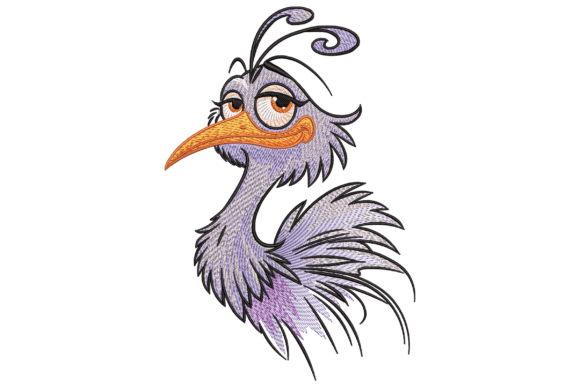
As a professional embroidery designer who has spent years refining small business merch and creating custom apparel for boutique brands, I approach every new machine embroidery design with a critical eye. My goal is not just to see if a design looks pretty on a screen, but to determine if it holds up under the rigors of commercial production. Today, I am reviewing Fluffy Featherball, a design categorized under Birds and Embroidery. This piece promises to "enhance your fabrics with a dash of charm" and offers a playful, whimsical touch. But does it translate from a digital file into a profitable asset for your brand? Let's dive into how this design performs in real-world scenarios for cafes, bakeries, florists, and creative studios.
First Impressions: Visual Personality and Brand Fit
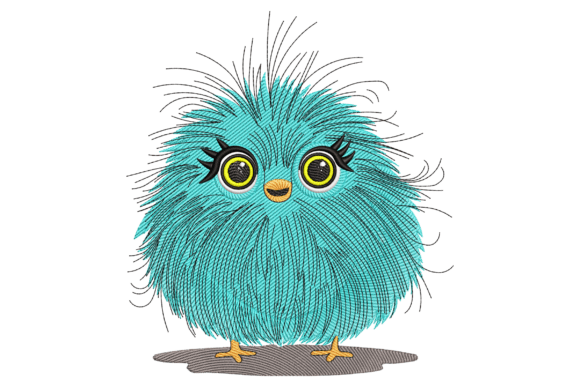
When I first loaded the digital embroidery file for Fluffy Featherball, the immediate impression was one of softness and approachability. The title suggests a texture that mimics downy feathers or a cloud-like puff, which aligns perfectly with the description of adding a "whimsical touch." In the world of branding, this aesthetic is powerful. It moves away from the rigid, corporate logos often seen on uniforms and leans into a handmade, artisanal vibe. For a local bakery, a pet grooming salon, or a children's boutique, this design exudes warmth and friendliness. It feels less like a mass-produced stamp and more like a curated detail that elevates the perceived value of the finished product.
However, as a designer, I must ask: does it look premium? The answer lies in execution. If the stitch definition is clean, Fluffy Featherball can serve as a sophisticated accent. If the density is too high or the outlines are fuzzy, it risks looking cheap. For businesses aiming to build trust through visual consistency, the clarity of this embroidery design is paramount. It works best when paired with earth tones or pastel palettes, reinforcing a natural, organic brand identity.
Real-World Applications for Small Businesses
The versatility of Fluffy Featherball makes it an excellent candidate for various commercial embroidery projects. Here is how I envision integrating this design into a cohesive merchandise line:
- Staff Uniforms and Aprons: For a café or florist, placing a small version of Fluffy Featherball on the chest pocket or the bib of an apron creates a subtle signature. It distinguishes staff without overwhelming the uniform. This is ideal for apron embroidery where durability and visibility matter.
- Branded Patches: One of the most cost-effective ways to use this design is as an embroidered patch. You can sew these onto denim jackets, tote bags, or even backpacks. Because the design is likely self-contained, it works beautifully as a standalone badge that customers can trade or collect.
- Cap Embroidery: The rounded nature of a featherball fits naturally on the curved front of a baseball cap. It avoids the distortion issues that complex linear designs often face on curved surfaces.
- Tote Bag Design: For eco-friendly boutiques, a large-scale version of Fluffy Featherball on a canvas tote bag serves as a walking billboard. The texture of the embroidery adds a tactile element that flat printing cannot achieve.
- Product Packaging Accents: Imagine a luxury soap brand or a candle maker using this design on fabric tags or ribbon pulls. It transforms simple packaging into a gift-worthy experience.
Critical Considerations for Production
While Fluffy Featherball is charming, there are specific areas where caution is required to ensure professional results. As you plan your production run, keep these technical constraints in mind:
Size and Detail Retention
Do not attempt to shrink this design too aggressively. While the concept is cute, reducing the size below 1.5 inches may cause the "fluffy" details to merge into a solid blob due to stitch density limitations. Always test the smallest intended size before committing to a full order. If you are using this for tiny labels or sleeve details, verify that the software maintains the necessary spacing between stitches.
Fabric Texture and Stabilization
The success of this design heavily depends on the substrate. On smooth cotton t-shirts, the texture will pop. However, on highly textured fabrics like heavy towels or thick wool blends, the intricate loops might get lost. You must use the proper stabilizer—likely a cut-away for stretchy knits or a tear-away for wovens—to prevent puckering. Without adequate backing, the whimsical shape could warp, ruining the professional look of your custom apparel.
Color Contrast and Visibility
Since the design relies on volume and fluffiness, thread color contrast is crucial. Avoid placing light-colored threads on dark uniforms unless you have a high-quality underlay strategy. Test the design in black and white first to ensure the silhouette remains distinct. If the outline is too thin, it may disappear against busy backgrounds.
Impact on Brand Identity and Customer Trust
Incorporating a well-executed design like Fluffy Featherball does more than decorate; it communicates values. When a customer sees a high-quality embroidered detail on a tote bag or apron, they associate that craftsmanship with your entire brand. It signals attention to detail and a commitment to quality. This is especially true for Etsy sellers and handmade brands where the "human touch" is a primary selling point.
Furthermore, consistent use of this design across different products—from caps to patches to packaging—builds brand identity. Customers begin to recognize the fluffy motif instantly, increasing brand recall. It transforms a generic item into a branded asset that people want to wear and display. This visual consistency fosters trust and encourages repeat purchases, as customers feel they are buying into a lifestyle rather than just a commodity.
Designer's Checklist Before Production
Before you purchase the embroidery file or start stitching, follow this practical checklist to avoid costly mistakes:
- Verify Licensing: Confirm that the license allows for commercial use. Ensure you have the rights to sell items featuring Fluffy Featherball, whether as small business merch or client work.
- Check Hoop Size: Measure the maximum dimensions of the design and ensure it fits within your machine's hoop without trimming essential elements.
- Run a Test Stitch: Always embroider a sample on the actual fabric you intend to use. Check for pulling, gaps, or thread breaks.
- Create a Mockup: Generate a printable mockup to show clients or stakeholders how the design looks in context. This helps manage expectations before production begins.
- Review Thread Colors: Select thread colors that complement your brand palette while ensuring legibility against the fabric background.
- Compare Assets: Place Fluffy Featherball beside other design assets you use to ensure the style and weight match your existing brand guidelines.
Ultimately, Fluffy Featherball is a versatile tool for designers looking to inject personality into their work. With careful planning regarding size, fabric, and stabilization, it can become a cornerstone of your brand's visual language. Whether used on a chef's hat, a boutique bag, or a promotional patch, this design has the potential to turn ordinary textiles into memorable brand experiences. Just remember: the magic lies not just in the file, but in the precision of its application.