Happy Easter Bunny in Carrot Costume Review
As a designer who has spent years navigating the nuances of machine embroidery, I approach every new file with a critical eye. It is not enough for a design to look good on a screen; it must translate beautifully onto fabric, withstand the rigors of washing, and ultimately add value to a finished product. Today, I am putting Happy Easter Bunny in Carrot Costume through its paces. This specific machine embroidery design promises to enhance fabrics with a dash of charm, but does it hold up under the scrutiny of a professional workflow? Let's dive into how this whimsical character performs in real-world applications.
First Impressions: Visual Personality and Layout
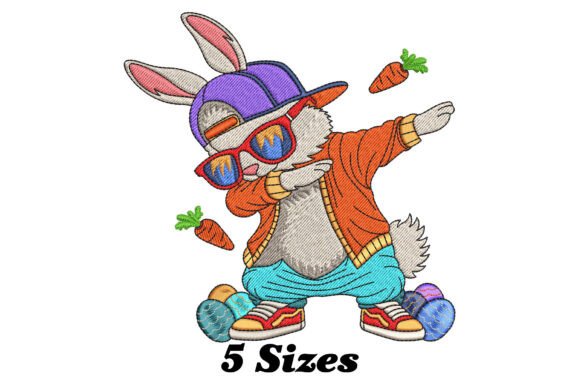
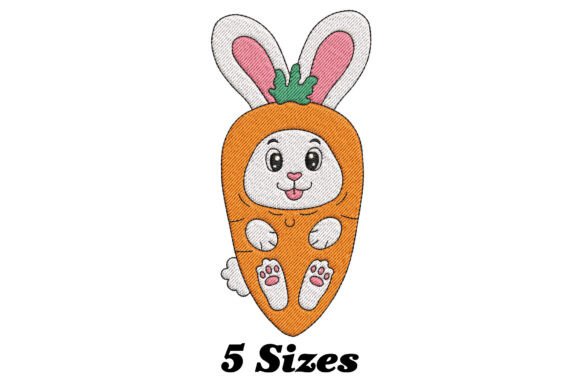
When I first loaded the digital embroidery file for the Happy Easter Bunny in Carrot Costume, the immediate impression was one of playful energy. The concept of a bunny dressed as a carrot is inherently funny and nostalgic, tapping directly into the spirit of the holiday without feeling generic. Visually, the layout appears balanced, which is crucial for maintaining stability during stitching. The silhouette is distinct, avoiding overly complex negative spaces that often cause thread breaks or registration issues.
The design seems to rely heavily on a mix of satin stitch for outlines and fill stitch for the bulk of the costume and ears. This combination is standard for high-quality embroidery, but the success lies in the execution of the density. From a preview standpoint, the details in the bunny's face and the texture of the carrot leaves appear crisp. For an Etsy seller or small shop owner looking to create a standout item, this level of visual personality is exactly what separates a mass-produced gift from a thoughtful, handmade product.
Testing the Waters: A Real-World Project Scenario
To truly evaluate this design, I imagined a specific use case: creating a limited-run collection of custom apparel for a boutique craft fair. Picture a soft, heather-grey sweatshirt intended for children. Placing the Happy Easter Bunny in Carrot Costume on the chest area offers a perfect focal point. The whimsical nature of the design suggests it would pair wonderfully with other spring-themed elements, perhaps alongside a simple embroidered patch on the sleeve.
In this scenario, the fabric choice is paramount. Sweatshirts have a slight nap and can be tricky for dense designs. If the stitch density in this file is too high, the fabric might pucker, ruining the drape of the garment. However, if the design utilizes proper running stitch borders and moderate fill areas, it should sit flat and fluffy. The contrast of bright orange thread against grey fabric would make the carrot costume pop, instantly drawing the customer's eye. This kind of visual appeal is essential for driving buyer engagement and justifying a higher price point for personalized gifts.
Fabric Compatibility and Placement Strategy
While the product description notes that this cool embroidery design is ideal for t-shirts, towels, or home decor, my experience dictates a more nuanced approach. On a kitchen towel, the Happy Easter Bunny in Carrot Costume could serve as a delightful decorative accent near the hem. Towels are thick and absorbent, so they generally handle embroidery well, provided you use a cutaway stabilizer to prevent sinking.
However, caution is advised when moving to thinner fabrics or stretchy materials like jersey knit. If you attempt to embroider this design on a thin baby onesie, the tension from the hoop could distort the shape before the needle even touches the fabric. In such cases, using a water-soluble stabilizer and minimizing the hoop size is non-negotiable. Similarly, curved surfaces like caps present a challenge. The round shape of the carrot costume might struggle to maintain its integrity on a structured cap unless the design is specifically optimized for 4x4 hoops or smaller.
For dark fabrics, the color palette becomes a critical factor. If the original thread colors are pastel, they may disappear on black or navy blue. You will likely need to adjust the thread colors to ensure sufficient contrast. A white underlay is often necessary to make the orange and green hues vibrant. Always test the design on scrap fabric first, comparing light and dark backgrounds to confirm the visual impact before committing to your final project.
Practical Designer Notes for Success
- Test Stitching: Never skip the test run. Stitch out the Happy Easter Bunny in Carrot Costume on a scrap piece of the exact fabric you intend to use. Check for puckering, thread breaks, and registration accuracy.
- Stabilizer Selection: Match your stabilizer to the fabric weight. Heavy cottons need tear-away, while knits require cut-away or wash-away mesh to support the stitches.
- Thread Color Contrast: Verify that the thread colors provided in the file work against your chosen background. High contrast ensures the design remains legible and appealing.
- Hoop Size Verification: Confirm that your hoop size accommodates the full design without cropping important details like the bunny's ears or the carrot top.
- Licensing Check: Before selling finished items or digital products, always confirm the licensing terms. Ensure you have the right to sell commercial embroidery projects featuring this design.
Commercial Viability and Brand Consistency
For creative entrepreneurs and digital product sellers, the Happy Easter Bunny in Carrot Costume offers significant potential as a seasonal asset. Its playful theme makes it highly giftable, fitting perfectly into categories like holiday gifts, nursery decor, and personalized products. When used consistently across a range of items—from tote bag designs to pillow covers—it can help build brand recognition for a craft business.
However, professionalism hinges on execution. A poorly stitched design can damage customer trust. If the fill stitch is too sparse, the backing shows through, making the product look cheap. If the satin stitch is too wide, it may split. Therefore, reviewing the stitch count and density is vital. While the specific stitch count isn't listed in the brief description, a quick inspection of the file properties will reveal if it is suitable for high-volume production or better reserved for one-off custom orders.
Furthermore, consider the longevity of the design. Products that undergo frequent washing, like aprons or tea towels, need durable stitching. The Happy Easter Bunny in Carrot Costume should be evaluated for thread security. Loose ends or weak anchor points can lead to unraveling over time, which reflects poorly on the maker. Ensuring that the design assets are robust enough for repeated use is a key part of the review process.
Final Verdict: A Whimsical Addition to Your Portfolio
In conclusion, the Happy Easter Bunny in Carrot Costume stands out as a charming and versatile addition to any embroidery library. It captures the essence of the season with a unique twist that appeals to both children and adults. Whether you are an experienced decorator looking to expand your Etsy listings or a hobbyist crafting a special keepsake, this design offers a solid foundation for creativity.
Its success, however, depends entirely on the designer's attention to detail. By carefully selecting fabrics, stabilizers, and thread colors, and by rigorously testing the file before production, you can transform this digital file into a high-quality finished product. The Happy Easter Bunny in Carrot Costume is more than just a pattern; it is an opportunity to infuse joy into your work and delight your customers with a touch of whimsy that feels both professional and heartfelt.