Cute Mama Tiger: A Designer's Review for Business
As an embroidery designer who has spent years translating digital files into tangible brand assets, I approach every new machine embroidery design with a critical eye. My focus is never just on whether a pattern looks "cute," but whether it can withstand the rigors of commercial production and elevate a small business's visual identity. Today, I am reviewing the Cute Mama Tiger design, specifically evaluating its potential for branded merchandise, staff uniforms, and custom apparel. While this design falls under the Mother S Day category, its versatility extends far beyond a single holiday, offering unique opportunities for boutique owners, Etsy sellers, and merch creators looking to inject warmth and personality into their products.
First Impressions: Visual Personality and Brand Tone
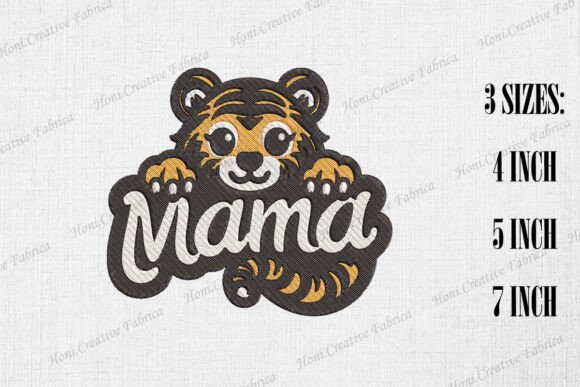
When I first opened the preview of Cute Mama Tiger, the immediate reaction was one of approachable charm. The design exudes a friendly, playful energy that feels both modern and timeless. For a brand identity built on trust, community, and care—such as a local bakery, a florist, or a children's boutique—this aesthetic is gold. It avoids the sterile look of corporate logos in favor of a handmade, artisanal feel. However, in the world of commercial embroidery, "cute" must not come at the expense of clarity. The lines appear bold enough to hold up under magnification, which is crucial for customer recognition. This design suggests a brand that values creativity and emotional connection, making it an excellent candidate for brand identity reinforcement in sectors targeting parents, families, or creative professionals.
Evaluating Real-World Business Applications
The true test of any digital embroidery file is how it performs when applied to actual inventory. Let's break down where Cute Mama Tiger shines in a professional setting:
- Embroidered Patches: This design is perfectly suited for creating high-quality embroidered patches. Whether attached to denim jackets for a streetwear line or sewn onto canvas tote bags for a coffee shop, the character's distinct shape ensures it remains recognizable even from a distance. Patches offer a durable way to add value to existing stock without reordering entire garments.
- Staff Uniforms and Aprons: Imagine a team of baristas or retail associates wearing aprons featuring this tiger. An apron embroidery placement on the chest pocket adds a personal touch that makes staff appear more welcoming. It transforms a standard uniform into a piece of custom apparel that fosters team spirit and enhances the customer experience.
- Cap Embroidery: For outdoor events or promotional giveaways, a cap design is essential. The compact nature of the tiger allows it to fit neatly on the front panel of a baseball cap. This turns a simple hat into a walking billboard for your business, increasing visibility in local communities.
- Tote Bag Design and Merchandise: Canvas totes are a staple for eco-conscious brands. Placing Cute Mama Tiger on a sturdy tote bag creates a functional product that customers will use daily, keeping your logo visible long after the purchase. This is a prime example of turning a simple graphic into a revenue-generating small business merch item.
Strategic Considerations and Potential Pitfalls
While the design is versatile, there are specific scenarios where caution is required to maintain professionalism. As a designer, I always advise clients to consider the following before mass production:
Size and Detail Constraints
If you intend to use Cute Mama Tiger as a tiny accent on a cuff or a very small patch, you must be wary of stitch density. Intricate details can get lost if the design is scaled down too much. Always check the hoop size requirements and ensure the minimum dimensions allow the tiger's features to remain crisp. If the design becomes too dense, it may cause puckering on lighter fabrics like baby onesies or thin t-shirts.
Fabric Texture and Color Contrast
The success of any embroidery depends heavily on the substrate. On textured fabrics like heavy fleece or ribbed knit, the smooth lines of the tiger might struggle to stand out. Similarly, using light thread colors on dark uniforms requires careful planning. You may need to adjust the thread colors or add a backing layer to ensure the design pops. Without sufficient contrast, the finished product may look muddy rather than vibrant.
Durability and Washing
For items that require frequent washing, such as kitchen towels or work shirts, the integrity of the stitching is paramount. Ensure that the stabilizer used during production is appropriate for the fabric type. A poor choice here can lead to fraying or distortion over time, damaging the perceived quality of your brand.
Impact on Brand Identity and Customer Trust
Incorporating a well-executed design like Cute Mama Tiger does more than just decorate; it communicates values. When a customer sees a consistent, high-quality embroidered logo on a variety of items—from product packaging accents to event merch—they subconsciously associate that quality with your entire business. It signals attention to detail and a commitment to craftsmanship. This visual consistency builds trust and encourages repeat business. Furthermore, in the competitive landscape of handmade goods, unique design assets help differentiate your offerings from generic competitors. A distinctive tiger motif can become a signature element that customers instantly recognize, driving engagement and social media sharing.
Practical Designer Notes for Production
Before you commit to a large run of Cute Mama Tiger merchandise, follow these professional steps to ensure success:
- Test in Black and White: Before selecting your final palette, run a test in black and white. This helps you evaluate the balance of the design and ensures the negative space is working correctly without the distraction of color.
- Verify Commercial Licensing: Always confirm the licensing terms of the embroidery file. Ensure you have the right to use the design for commercial purposes, especially if selling the finished goods. Do not assume personal use licenses cover business applications.
- Create Printable Mockups: Generate a printable mockup showing the design on your specific products. Present this to stakeholders or clients for approval before cutting any fabric. This saves time and resources by catching issues early.
- Inspect Spacing and Stabilizer: Check the spacing between elements of the design. If parts are too close, they might merge during stitching. Select the correct stabilizer based on your fabric weight to prevent shifting.
- Compare with Existing Assets: Place the design next to your other brand materials. Does it complement your existing design assets? Consistency is key to a cohesive brand image.
Ultimately, Cute Mama Tiger offers a delightful opportunity for small businesses to humanize their brand. Whether used for cap embroidery, tote bag design, or special Mother S Day collections, its appeal lies in its ability to connect emotionally while maintaining professional standards. By adhering to best practices in testing and production, you can transform this charming graphic into a powerful tool for your business growth.