Dolphin Painting: A Craft Fair Design Review
As an experienced embroidery designer who has spent countless weekends setting up booths at local craft fairs and managing a digital shop for handmade goods, I know that not every design translates well to a physical product. The difference between a pretty image on a screen and a sellable craft fair product often lies in the stitch quality, the visual impact from three feet away, and how the design holds up against the chaos of a busy market table. Today, I am reviewing a specific machine embroidery design titled Dolphin Painting. This piece promises a painted effect suitable for ocean lovers and marine-themed projects, but does it truly work as a profitable asset for boutique makers and Etsy sellers?
First Impressions: The Painted Effect in Thread
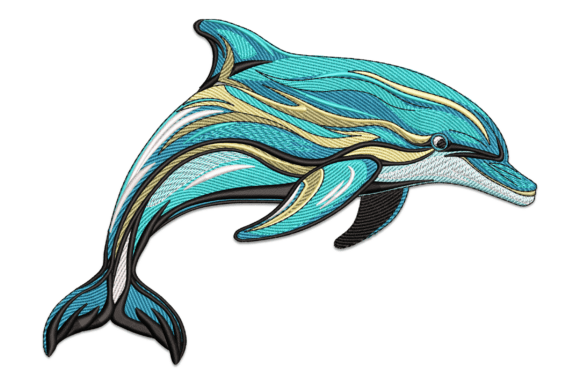
When I first loaded the Dolphin Painting file into my digitizing software, the immediate reaction was one of optimism. The description highlights a "painted effect," which is a crucial selling point for modern handmade products. Unlike traditional outline or satin-stitch designs that can feel rigid or dated, a painted style suggests softness, artistry, and a premium feel. For a booth display, this aesthetic immediately elevates the perceived value of the item. It feels less like a mass-produced logo and more like a piece of textile art.
However, achieving a true painted look in thread requires careful attention to stitch density and thread colors. If the design relies too heavily on gradient fills without enough texture variation, it might look muddy on certain fabrics. As a designer, I need to ensure that the color transitions are smooth enough to mimic watercolor or oil paint, yet distinct enough to be recognizable when a customer glances at a tote bag design hanging on a rack. The goal is to create a focal point that screams "beach-inspired decor" without looking cluttered.
Product Performance: Where Does Dolphin Painting Shine?
The versatility of this embroidery file is its strongest asset. Based on the description, it is perfect for clothing, tote bags, and home textiles. Let's break down where this specific design performs best in a real-world sales environment.
Tote Bags and Market Bags
A canvas tote bag is the ultimate vehicle for this design. The sturdy fabric provides a neutral ground that allows the painted effect to pop. When displayed on a table with other beach items, a tote featuring Dolphin Painting stands out because the scale can be large enough to capture attention. The organic lines of a dolphin suit the casual, eco-friendly vibe of reusable shopping bags perfectly. For an Etsy seller, this is a high-margin item that photographs beautifully for listings.
Kitchen Textiles: Aprons and Tea Towels
Apron embroidery and tea towel embroidery are staples for handmade shops. The Dolphin Painting design works exceptionally well here, especially if the towels have a linen texture. The slight roughness of linen can actually enhance the "painted" illusion by breaking up the light reflection on the threads. However, you must be cautious with very thick terry cloth; the pile can sometimes hide fine details. On an apron, placing the design on the bib creates a charming, nautical statement that appeals to anyone who loves coastal living.
Patches and Caps
For smaller applications like an embroidered patch or a cap, the design needs scrutiny. While the overall concept is strong, the "painted effect" relies on blending. If the design is scaled down too much for a small pouch or a curved cap surface, those subtle blends may turn into a solid blob of color. I would recommend using this design as a larger accent on a flat cap rather than a tiny logo on a strap. For patches, it offers a unique alternative to the standard cut-and-sew style, adding a layer of artisanal quality to backpacks and jackets.
Practical Production Notes for Batch Making
Before committing to a full run of commercial embroidery products, there are several technical hurdles to clear. The "painted" nature of Dolphin Painting implies a higher stitch count than a simple line drawing. This means longer run times per item, which directly impacts your profit margin at a weekend market. You must calculate whether the time investment matches the price point you can charge for a finished product.
One critical factor is the hoop size. If the design is intended to be a large focal point, ensure your hoop accommodates it without stretching the fabric unevenly. Distorted stitching ruins the painted illusion instantly. Additionally, check the stabilizer requirements. A design with dense fill areas will likely need a heavier tear-away or cut-away stabilizer to prevent puckering, especially on lighter fabrics like cotton tees or thin tea towels.
Another consideration is fabric texture. While linen looks great, highly textured wovens can make it difficult to see the delicate color gradients of the dolphin. Always test the design on scrap fabric that matches your final production material. If the thread contrast is low, the painting effect will vanish, leaving a dull grayish shape. High-contrast thread colors are essential for making the design legible from a distance in a crowded booth.
Selling Strategy and Visual Appeal
From a marketing perspective, Dolphin Painting taps into the enduring popularity of marine life and coastal aesthetics. It appeals to a broad demographic, from young parents looking for nursery decor to adults seeking home accents. The key to selling this as a small shop product is presentation. Do not just lay the items flat. Use printable mockup images in your online store to show the design in a realistic setting, such as a sunlit kitchen or a beach picnic.
In a physical booth, lighting is everything. The sheen of embroidery thread can catch the eye, but the painted effect needs good illumination to show off its depth. Group these items with complementary colors—soft blues, sandy beiges, and crisp whites—to reinforce the theme. This consistency helps build your brand identity as a maker of high-quality, themed goods.
Furthermore, consider the emotional connection. A dolphin is universally seen as friendly and intelligent. Customers often buy these items as gifts. Positioning Dolphin Painting as a giftable handmade item can increase sales volume during holidays and summer seasons. The design feels personal and thoughtful, which is exactly what buyers seek out at craft fairs compared to big-box stores.
Designer Recommendations and Final Verdict
Before you purchase or produce this digital embroidery file, take the following steps to ensure success:
- Test Stitch Out: Run the design on a scrap of your actual fabric to check for any skipped stitches or tension issues in the dense painted areas.
- Verify Licensing: Confirm that the license allows for the sale of finished goods. Some machine embroidery design licenses restrict commercial use, so read the terms carefully before listing on Etsy or Amazon Handmade.
- Check Scalability: Ensure the design remains clear if you decide to resize it for different products like caps or pouches.
- Create Mockups: Invest time in creating at least one high-quality photo of a real product. Real photos sell better than digital renderings for handmade products.
In conclusion, Dolphin Painting is a strong contender for any Embroidery business focused on coastal themes. Its artistic approach sets it apart from generic Fish designs, offering a unique selling proposition for craft fair vendors and online sellers alike. With proper fabric selection, stabilizer use, and strategic display, this design has the potential to become a bestseller in your catalog. Just remember that the "painted" look is only as good as the execution, so always prioritize quality control over speed when producing your batch.