Happy Easter Bunny Boy: A Craft Fair Review
As I set up my booth for the upcoming weekend craft fair, the table is already a mosaic of potential bestsellers. Aprons hang neatly folded, tote bags are stacked by color, and tea towels are rolled with precision. In this competitive landscape of handmade goods, every machine embroidery design must earn its place on the display. Today, I am reviewing the Happy Easter Bunny Boy file to determine if it belongs in my production run or if it needs more refinement before hitting the market.
First Impressions: The Power of Joyful Simplicity
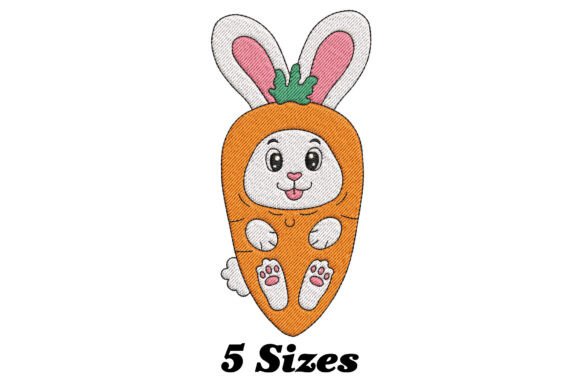
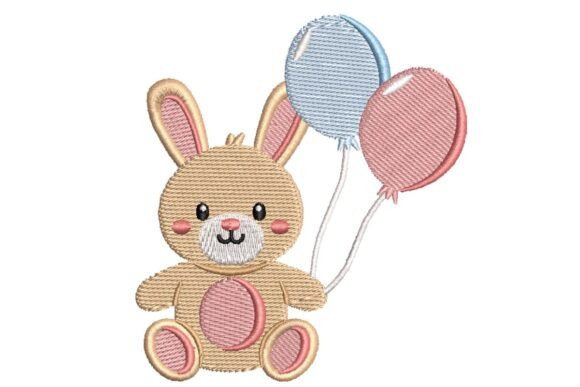
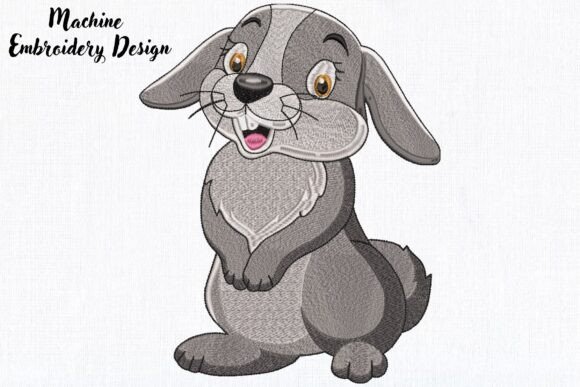
When I first loaded the embroidery file into my software, the visual impact was immediate. This design does not try to be overly complex or rustic; instead, it leans heavily into pure, unadulterated charm. The cheerful bunny with big, expressive eyes and a joyful smile screams "festive" without feeling cluttered. For a craft fair product, simplicity is often the key to stopping a customer in their tracks. In a sea of intricate floral patterns and farmhouse-style typography, Happy Easter Bunny Boy stands out as a burst of personality.
The aesthetic feels modern yet timeless, fitting perfectly into nursery decor or as a whimsical accent on children's clothing. It lacks the heavy, dense stitching that can sometimes make Embroidery designs look stiff. Instead, the lines appear fluid, suggesting a soft texture that will photograph beautifully for online listings. As an Etsy seller, I know that the thumbnail image is everything. This design has the clarity to pop even at small screen sizes, making it a strong contender for digital sales as well as physical booth displays.
Product Performance: Where Does It Shine?
Not every design works on every surface. My goal is to match the Happy Easter Bunny Boy motif with products where it enhances the perceived value of the item. Here is how I evaluate its performance across different categories:
- Tote Bags and Market Bags: This is likely the strongest application. On a canvas tote bag, the large, friendly face of the bunny becomes a focal point. It transforms a utilitarian item into a statement piece. Customers looking for reusable shopping bags often want something fun and recognizable, and this tote bag design delivers exactly that.
- Kitchen Textiles: For tea towel embroidery and aprons, the design adds a touch of springtime cheer. However, I would position it carefully. On a white linen towel, the contrast will be sharp and clean. On a patterned fabric, it might get lost. The apron embroidery should ideally be placed on the bib or pocket area where it is visible but not overwhelming.
- Wearable Accessories: Caps and hats are tricky due to the curved surface. The "big, expressive eyes" mentioned in the description need to remain symmetrical. If the curve distorts the smile, the magic is lost. I would recommend using this on flat-front caps rather than structured baseball caps to maintain the integrity of the facial features.
- Patches and Pouches: Creating an embroidered patch from this design is a brilliant idea for a low-cost impulse buy. Small fabric pouches also benefit from the bold nature of the character, allowing it to serve as the primary decoration without needing additional text.
Practical Production Notes for Batch Runs
While the design looks promising, turning a digital file into a high-quality finished product requires attention to detail. Before committing to a batch of fifty items, I always run a test on scrap fabric that matches my final material. This step is non-negotiable for any professional small shop product line.
One critical aspect to watch is the stitch density. Designs with large open areas, like the cheeks or forehead of a bunny, can sometimes cause puckering if the fill stitches are too tight. Conversely, if the density is too low, the fabric may show through, reducing the premium feel of the item. I will adjust the underlay settings to ensure the bunny sits flat against the fabric. Additionally, the thread colors must be chosen wisely. While pastel threads fit the Easter theme, they must have enough saturation to stand out against light fabrics. Using a bright orange carrot or a deep blue eye outline can add necessary definition.
Another consideration is the hoop size. I need to confirm that the design fits within my standard 5x7 hoop for efficiency. If the design requires a larger hoop, it slows down production time significantly. For a busy craft fair weekend, speed and consistency are vital. I will also check the spacing between elements to ensure there is no risk of thread bunching, which can ruin the smooth look of the bunny's smile.
Careful Use: Avoiding Common Pitfalls
There are specific scenarios where Happy Easter Bunny Boy might struggle. First, avoid placing this design on highly textured fabrics like thick terry cloth towels unless you use a heavy-duty stabilizer. The texture can interfere with the needle placement, causing the "expressive eyes" to look uneven. Second, do not scale the design down too much. The charm lies in the details of the face; shrinking it to a tiny button size will result in a muddy mess where the features blend together.
Dark fabrics present another challenge. Without careful adjustment of the underlay and thread weight, the lighter colors of the bunny might not pop against black or navy backgrounds. I would reserve dark fabrics for versions of this design that include a contrasting background shape or border to frame the character effectively.
Maximizing Visual Appeal and Sales Potential
In the world of commercial embroidery, the goal is to create a cohesive brand experience. Happy Easter Bunny Boy offers a distinct mood that can unify a collection. By pairing this design with complementary items—such as matching pillow covers or gift wrap—you create a "shop the look" opportunity that increases the average order value. The design's friendly nature invites engagement; customers are more likely to pick up a bag with a smiling face than one with abstract art.
For the online component, creating a printable mockup is essential. Since I cannot ship physical samples to everyone, high-quality photos showing the design on various textures are crucial. I will stage a photo shoot with the embroidered items in natural light to highlight the thread sheen and stitch quality. These images will be the backbone of my Etsy listing, helping buyers visualize the handmade product in their own homes.
Final Designer Checklist
Before I finalize the production schedule for the weekend market, here is my checklist for the Happy Easter Bunny Boy project:
- Test the design on the exact fabric intended for sale to check for puckering.
- Verify that the digital embroidery file loads correctly on all machines in the studio.
- Select a stabilizer that provides support without adding bulk to the finished item.
- Create at least three real-world mockups to assess color contrast and scale.
- Confirm commercial licensing terms to ensure I can sell the finished goods legally.
- Review the design assets to ensure no stray threads or loose ends mar the presentation.
Ultimately, Happy Easter Bunny Boy is a winner for the spring season. It captures the essence of the holiday with a level of cuteness that appeals to parents, grandmothers, and anyone who loves a bit of whimsy. With careful production and strategic placement on the right products, this Animals category design has the potential to become a top seller at the craft fair. It proves that sometimes, the simplest designs yield the biggest smiles—and the best sales.